EV Subsidy Calculator India 2026
Use this free EV Subsidy Calculator to estimate electric vehicle subsidies, registration fee savings, road tax benefits, yearly fuel savings, and long-term ownership costs for electric scooters and electric cars in India. With electric vehicle adoption increasing rapidly across India, understanding government incentives and long-term savings has become extremely important for buyers considering switching from petrol or diesel vehicles to electric mobility.
Interactive EV Subsidy Calculator
Select your vehicle type, enter your vehicle price, and choose your state to calculate estimated electric vehicle subsidy and yearly savings.
How EV Subsidies Work in India
The Indian government has aggressively promoted electric vehicle adoption through various state and central government subsidy programs. These subsidies help reduce the upfront purchase cost of electric vehicles while encouraging environmentally sustainable transportation. Buyers of eligible electric scooters and electric cars may receive direct incentives, registration fee waivers, road tax exemptions, and reduced running costs compared to traditional petrol or diesel vehicles.
Different states in India provide varying levels of EV incentives. States such as Delhi, Maharashtra, Gujarat, Karnataka, and Tamil Nadu have introduced stronger EV policies to accelerate electric mobility adoption. Subsidy amounts often depend on battery size, vehicle category, and manufacturer eligibility under approved government programs.
| Vehicle Type | Estimated Subsidy | Estimated Annual Savings |
|---|---|---|
| Electric Scooter | ₹15,000 – ₹35,000 | ₹25,000+ |
| Electric Car | ₹50,000 – ₹1,50,000 | ₹70,000+ |
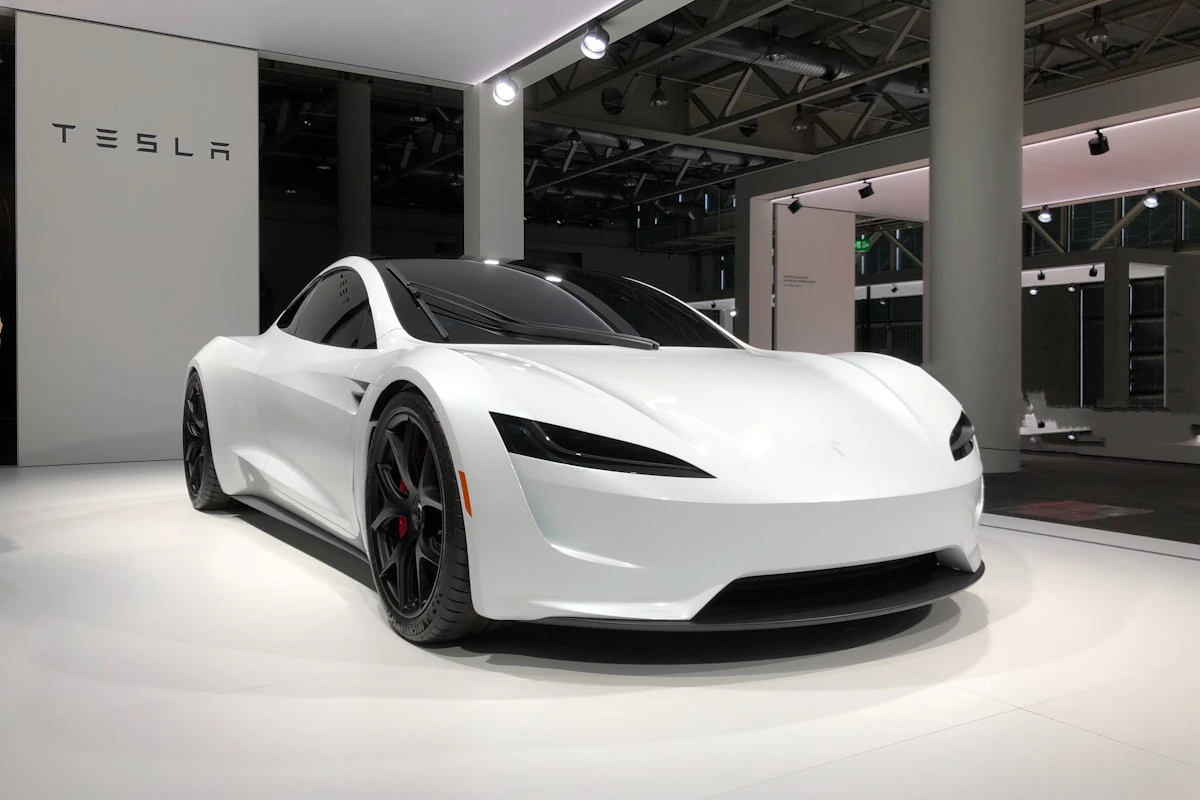
Why Electric Vehicles Are Becoming Popular in India
Electric vehicles are becoming increasingly popular because of rising fuel prices, lower maintenance costs, and improving charging infrastructure across India. EVs provide a cleaner and more efficient transportation option while reducing dependence on fossil fuels. Government subsidy support has also made EV ownership more financially attractive for consumers looking to reduce long-term transportation expenses.
Unlike petrol or diesel vehicles, electric vehicles have fewer moving parts, resulting in reduced servicing costs and lower long-term maintenance requirements. Electricity costs are generally much lower than conventional fuel expenses, allowing EV owners to save significantly over time.
Benefits of Electric Vehicles
- Lower fuel and charging costs
- Reduced maintenance expenses
- Government subsidy support
- Environment-friendly transportation
- Lower long-term ownership cost
- Increasing EV charging infrastructure in India

Future of Electric Mobility in India
India is expected to become one of the largest electric vehicle markets globally over the next decade. Government initiatives supporting battery manufacturing, charging infrastructure development, and EV subsidies are accelerating this transition rapidly. Major automobile companies are also expanding their electric vehicle lineup across scooters, motorcycles, cars, and commercial vehicles.
As battery technology improves and charging infrastructure expands, electric vehicle adoption is expected to increase significantly across both urban and rural areas. Long-term fuel savings and government incentives will continue driving EV demand among Indian consumers.
Frequently Asked Questions
Who is eligible for EV subsidy in India?
Individuals purchasing approved electric vehicles under eligible government schemes may qualify for EV incentives and subsidy benefits.
Which states offer the highest EV subsidies?
Delhi, Maharashtra, Gujarat, and Karnataka currently provide some of the strongest EV subsidy programs in India.
Can electric scooters receive subsidy benefits?
Yes. Many state governments provide incentives for electric scooters in addition to central government EV subsidy programs.
Do EVs reduce long-term ownership costs?
Electric vehicles generally offer lower fuel and maintenance costs compared to petrol and diesel vehicles, leading to significant long-term savings.